

Latest News
Service Terminals Rotterdam (STR), the Port of Rotterdam’s bunker facility, has announced the commencement of the biofuels storage project GreenSTR, building on its established expertise in fuel storage and bioblending.
GreenSTR will consist of around 100,000 cbm of storage tanks that will handle biofuels such as biodiesel, methanol and ethanol.
Ingenieursbureau én adviesbureau Vicoma is the...
Read More »
Read More »
ExxonMobil has successfully supplied a B30 0.50% sulphur marine residual fuel blend (B30 VLSFO), made using fatty acid methyl ester (FAME) Distillation Residue, to Wallenius Wilhelmsen.
The bio marine fuel blend was bunkered by the vehicle carrier Titus in Zeebrugge ahead of the sea trial, marking a significant milestone in ExxonMobil’s journey towards supplying the marine industry with lower...
Read More »
Read More »
Be8 has announced the creation of another group subsidiary - Be8 Milan, in Italy.
The new operation is aligned with the company’s strategic planning and aims to strengthen exports of biofuels and raw materials to Europe, such as soybean oil, fats, used cooking oil and residual inputs.
“This is another important step toward fulfilling our strategic plan and expanding the company’s...
Read More »
Read More »
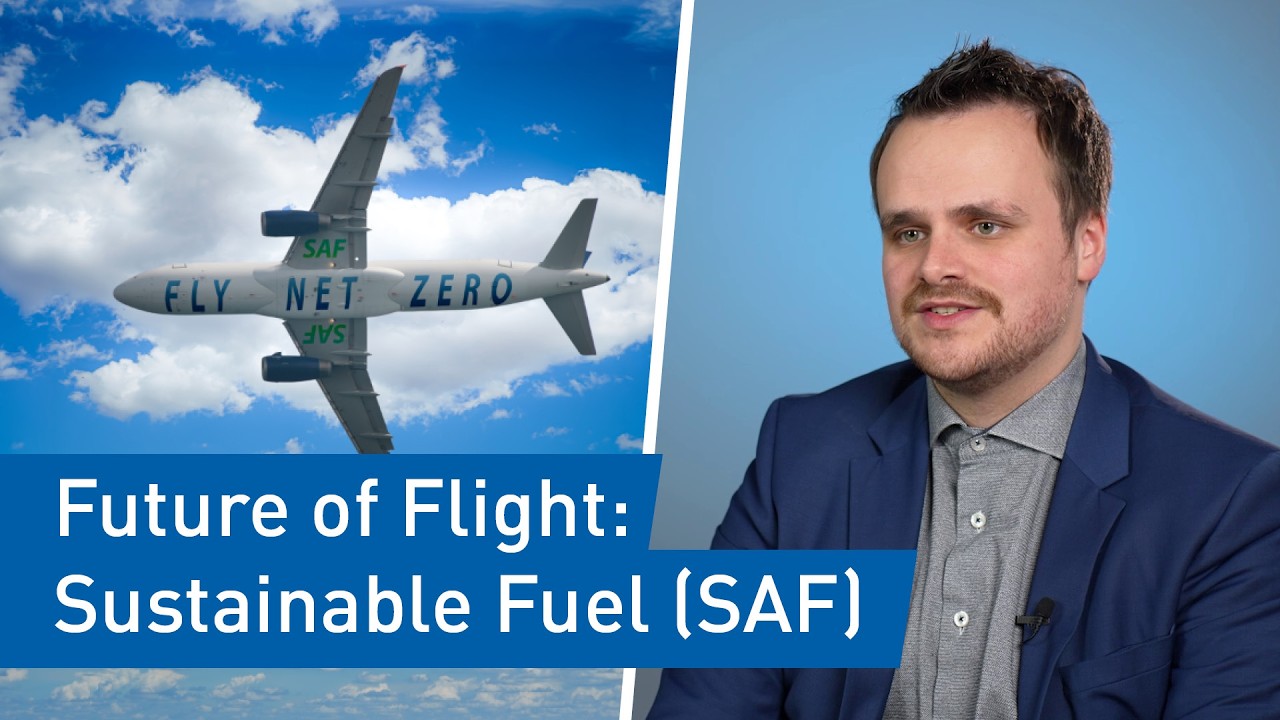
OMV Petrom SA has concluded a sales contract with OMV Downstream, a fully owned subsidiary of OMV AG, for part of the sustainable aviation fuel (SAF) and hydrotreated vegetable oil (HVO) to be produced at the Petrobrazi refinery.
The contract was concluded for a period of five years, with the possibility of extension for five additional years, with deliveries to begin in 2028. Pricing is based...
Read More »
Read More »
Across North America, biodiesel mandates have become a key tool for governments seeking to cut greenhouse gas emissions, enhance energy security, and support rural economies.
These rules require a minimum share of biodiesel or renewable diesel to be blended into conventional diesel supplies, creating a guaranteed market for low-carbon fuels.
Yet, despite their apparent simplicity, biodiesel...
Read More »
Read More »
Petrobras has approved a $1.2 billion (€1.1 billion) investment to develop a large‑scale renewable diesel and sustainable aviation fuel (SAF) complex at its Presidente Bernardes Refinery (RPBC) in Cubatão, São Paulo.
This represents one of the company’s most significant strategic shifts towards low‑carbon fuels and underscores Brazil’s ambition to strengthen its position in the...
Read More »
Read More »
Kuehne+Nagel has expanded its decarbonisation efforts with a new sustainable aviation fuel (SAF) agreement that will supply up to 5.2 million litres of SAF to help reduce emissions linked to Google Cloud’s air‑freight logistics.
The deal represents one of the more substantial recent commitments from the freight‑forwarding sector to support cleaner aviation operations.
Under the...
Read More »
Read More »
Biofuels are emerging as one of the most promising green alternatives to conventional marine fuels. Their production from renewable feedstocks significantly reduces lifecycle greenhouse-gas emissions compared with fossil fuel alternatives, and many biofuels are “drop-in” compatible.
Stringent regulations like the European Union’s FuelEU Maritime directive are driving demand for...
Read More »
Read More »
Biodiesel is set to play a far greater role in cutting emissions from inland navigation following the publication of a new list of marine engine approvals for B100 and higher biodiesel blends.
The list, compiled by the Association Quality Management Biodiesel (AGQM) and released in cooperation with leading German and European industry bodies, shows that a wide range of engines are already...
Read More »
Read More »
In the race toward a sustainable energy future, renewable diesel and sustainable aviation fuel (SAF) are emerging as pivotal biofuels.
These fuels, derived from hydrogenated oils and fats, known as HVO (Hydrotreated Vegetable Oil) and HEFA (Hydroprocessed Esters and Fatty Acids), offer a cleaner alternative to traditional fossil fuels.
However, with the potential of these renewable fuels comes...
Read More »
Read More »
The search for sustainable and scalable biofuel feedstocks has intensified. Recognising this opportunity, the potential of the Pongamia tree, a subtropical species native to countries such as India and Australia, has emerged as a highly promising and sustainable new feedstock for the production of advanced biofuels.
The tree is a carbon-sequestering, perennial crop well suited to a changing...
Read More »
Read More »
EcoCeres has announced the extension of its sustainable aviation fuel (SAF) supply agreement with British Airways until the end of 2030.
Under the extended agreement, EcoCeres’ SAF is expected to help British Airways avoid approximately 198,000 tonnes of lifecycle carbon emissions compared with using the same volume of fossil jet fuel – equivalent to offsetting the carbon footprint of around...
Read More »
Read More »
Russia is now the world's largest producer of sunflower seed.
The harvest is expected to reach a new record high in the coming season due to a significant expansion in crop area and a slight increase in yields.
The US Department of Agriculture (USDA) has recently presented its June estimate for global oilseed production. The estimate indicates that Russian sunflower seed output in the upcoming...
Read More »
Read More »
Honeywell has announced that its modular Ecofining™ process technology, specialised pumps, compressors, and integrated control and safety systems will help drive sustainable aviation fuel (SAF) and renewable diesel production for Acelen Renewables’ greenfield site in Bahia, Brazil.
With SAF demand projected to increase to nearly 500,000 barrels per day over the next decade, refiners are...
Read More »
Read More »
The European Union is preparing to unveil a new maritime decarbonisation strategy aimed at accelerating the reduction of greenhouse gas emissions across the shipping sector, reinforcing its broader climate ambitions under the European Green Deal.
The forthcoming strategy is expected to set out a clear pathway for cutting emissions from maritime transport, which remains one of the more...
Read More »
Read More »